Pakistan is not a single climate — it is half a dozen climates stacked on top of each other. Karachi basks in warm sunshine when Lahore is shivering through a January fog. The Karakoram passes are buried under metres of snow while Sindh is already scorching in April. Knowing when to go — and where — is the single most impactful planning decision you will make.
Spring: March to May — The Sweet Spot
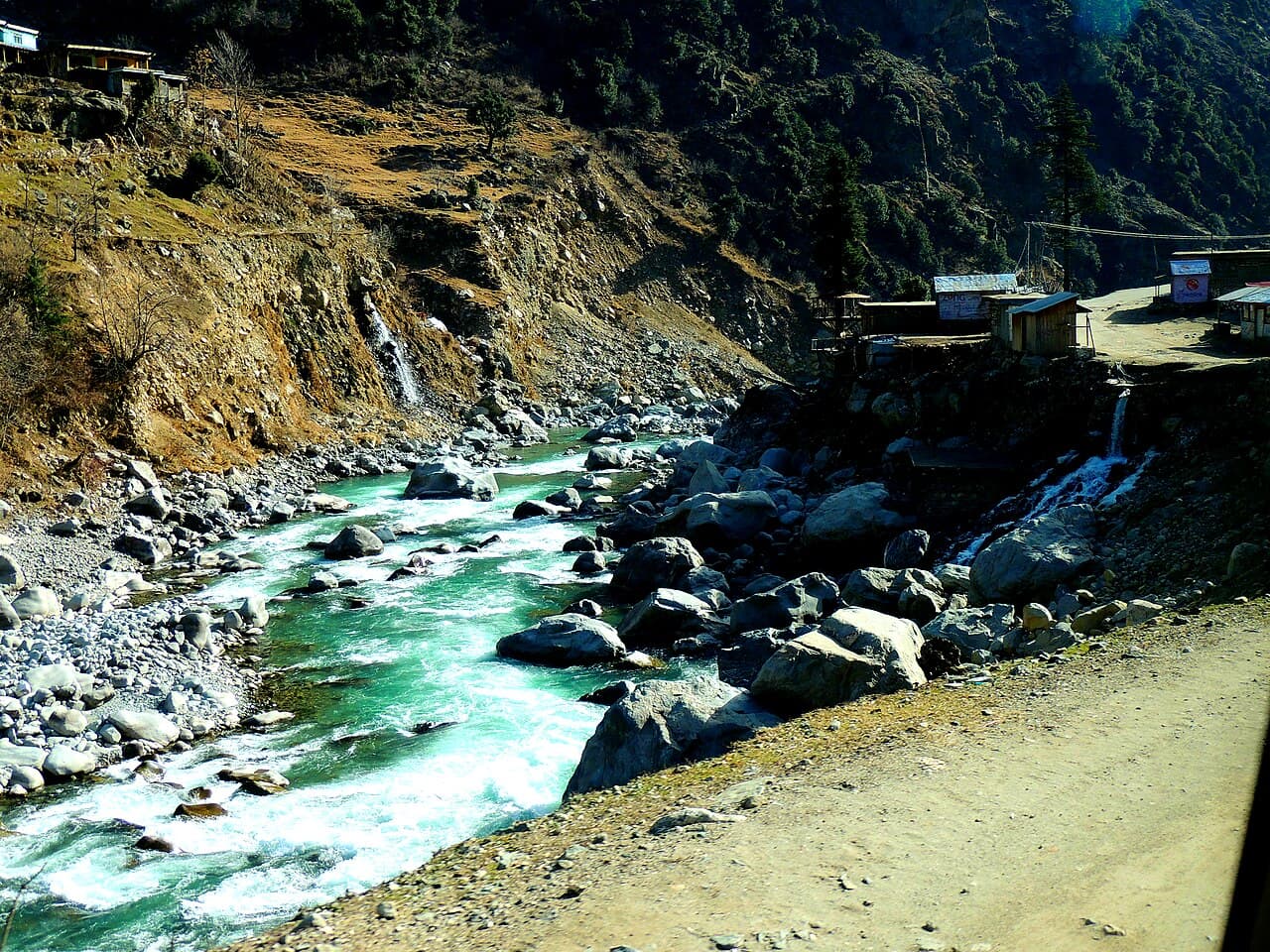
For most of Pakistan, especially the cities and the mountain valleys of Gilgit-Baltistan, spring is the ideal window. Temperatures are mild (15–28°C in Lahore, 10–20°C in Hunza), the air is clear, and the landscape is at its most dramatic. The cherry blossom festival in Hunza Valley typically peaks between late March and mid-April — fields of pink and white blossoms against the backdrop of Rakaposhi and Ultar Sar create scenes that rival anything in Japan.
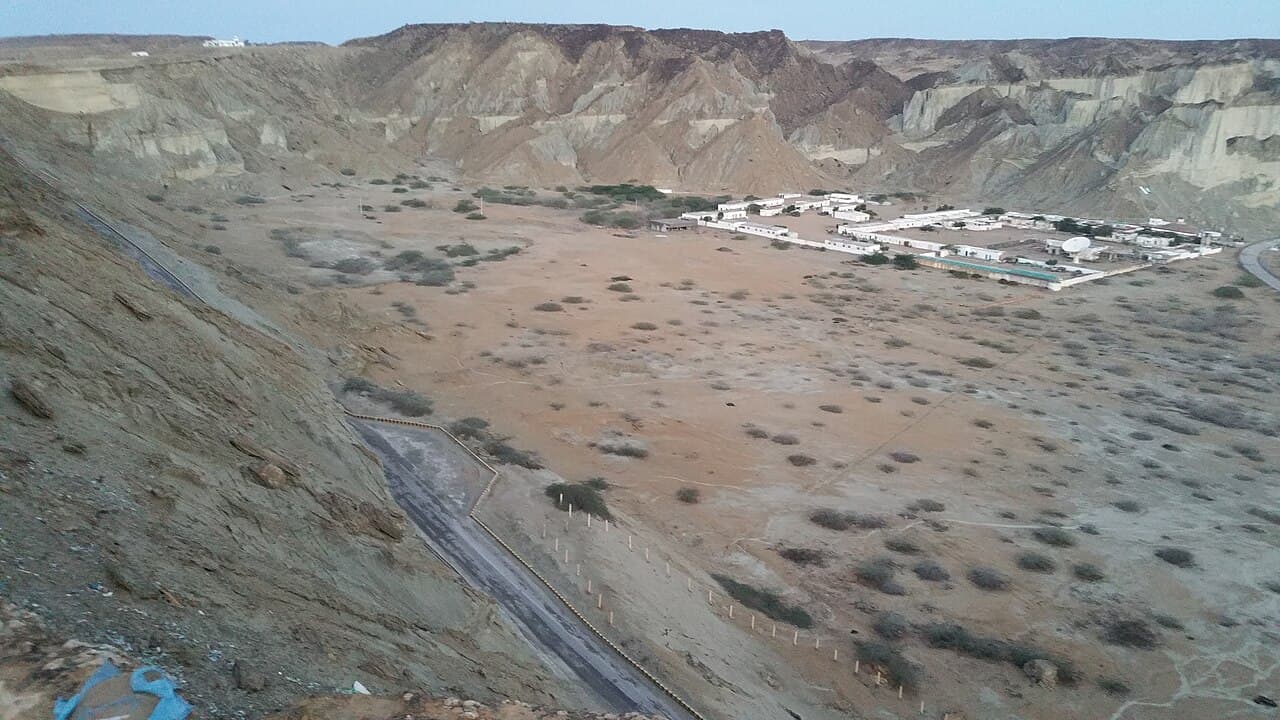
- March — Excellent for Lahore, Islamabad, KKH north, and Makran coastal highway in Balochistan.
- April — Prime time for Hunza, Gilgit, and the lower Karakoram. Snow still on high passes but valleys accessible.
- May — Last comfortable month in the plains. Mountains are fully open. Swat Valley is stunning.
Summer: June to August — Mountains Only
The lowland cities become brutal in June and July. Lahore and Karachi regularly record 42–48°C. This is not sightseeing weather — it is the season of daily power outages, exhausting humidity in Karachi, and oppressive dry heat in Multan and Bahawalpur. However, the mountains are in their absolute prime. The Karakoram Highway is fully open, the Khunjerab Pass sits clear at 4,700 m, and trekking season in Baltistan hits its peak.
July and August bring monsoon rains to Lahore, Rawalpindi, and Azad Kashmir. The rains transform the landscape into vivid green but also cause landslides on mountain roads. Check the Gilgit-Baltistan Disaster Management Authority updates before driving the KKH in this window.
Autumn: September to November — The Hidden Gem Season
September and October are arguably Pakistan's most photogenic months. The monsoon has passed, the air in the cities is crisp, and the mountains turn gold, amber, and rust as poplar and chinar trees change colour. Hunza in October is a pilgrimage for photographers — the terraced apricot orchards and walnut trees surrounding Altit and Baltit Forts are draped in autumn colour with fresh snow dusting the peaks above.
- September — Mountains still accessible, post-monsoon greenery in AJK and Murree.
- October — Autumn colours peak. Best photography window of the year. Cities comfortable (20–30°C).
- November — Higher passes close. Plains become ideal for heritage tourism (Lahore, Mohenjo-daro, Multan).
Winter: December to February — Cities and Desert
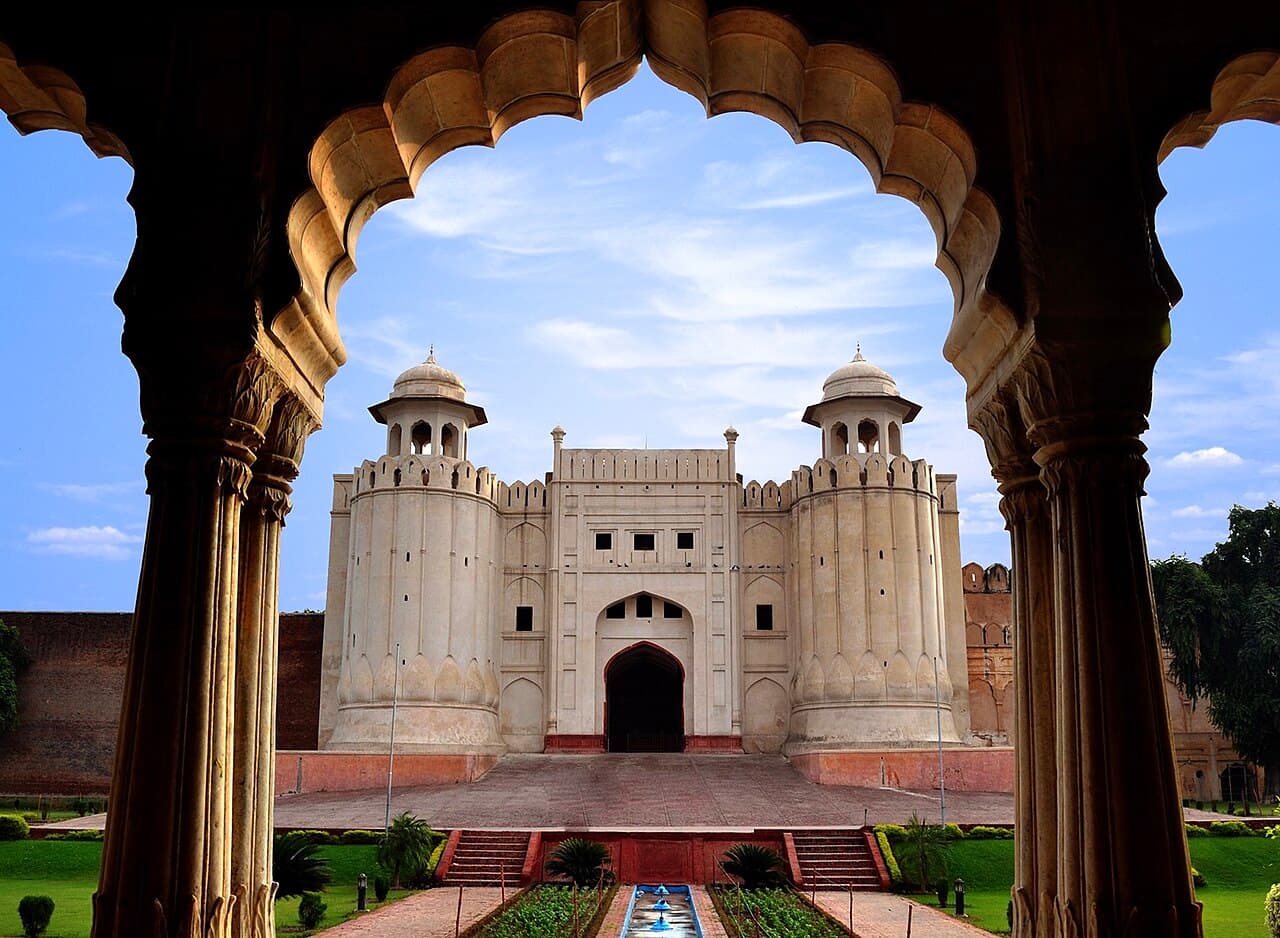
The Karakoram goes into hibernation: Khunjerab closes, Skardu becomes accessible only by air, and mountain guesthouses shut for the season. But Pakistan's other wonders shine in winter. Lahore's old city is best explored in the cool of January and February — walking the lanes of Walled City, climbing the Lahore Fort, or sitting in the courtyard of the Badshahi Mosque is far more pleasant at 12°C than 40°C. The Thar Desert in Sindh is perfectly comfortable in winter and strikingly beautiful, with its rolling sand dunes accessible from Mithi or Islamkot.
Summary Table
- Best for mountains / trekking: April–October
- Best for cities (Lahore, Islamabad): October–April
- Best for Karachi / coast: November–March
- Best for desert (Thar, Cholistan): November–February
- Avoid lowland cities: June–August