Ask any Pakistani about their happiest food memories and the answer almost always involves a roadside stall — steaming nihari at 6 am in Lahore's Heera Mandi, gol gappay on Karachi's Clifton Beach, seekh kebabs sizzling over coal in Peshawar's Qissa Khwani Bazaar. Pakistan's street food culture is not a backup option when restaurants are closed; it is the main event. The goal is not to avoid it — it is to eat it smartly.
The Golden Rule: Watch the Crowd
A busy stall with food cooked to order can be a better signal than food sitting at room temperature, but crowds do not prove hygiene. Look for clean utensils, protected ingredients, safe water, thorough cooking, and food served hot; leave when handling or storage looks doubtful.
What to Order (and What to Skip)
Fresh, thoroughly cooked food served hot can reduce some risks, but heat does not correct unsafe water, dirty utensils, cross-contamination, or poor storage. Foods to approach more cautiously include:
- Gol gappay (pani puri) — The flavoured water is the variable. Ask for mineral water-based pani, or opt for the dry version (dahi puri) at first. After a few days when your gut has adjusted, go all in.
- Dahi-based dishes — Raita and dahi bhalla are delicious but yoghurt spoils quickly in heat. Only eat these where refrigeration is visible or where the vendor is constantly restocking from a cool container.
- Pre-cut fruit chaat — Watermelon and papaya platters sitting in the open sun for hours are risky. Freshly cut at a busy stall is fine.
- Ice in drinks — Use ice only when you can verify it was made and handled with safe water; otherwise choose a sealed drink.
Hydration and Recovery
Heat and illness can cause dehydration, but individual fluid needs and treatment vary. Prefer sealed water and drinks prepared with verified safe water. Oral rehydration solution is different from an energy drink; ask a pharmacist or clinician for the correct product and instructions, and seek care for severe dehydration, persistent fever, blood in stool, or worsening symptoms.
Top Street Food Destinations by City
Lahore — Food Capital of Pakistan
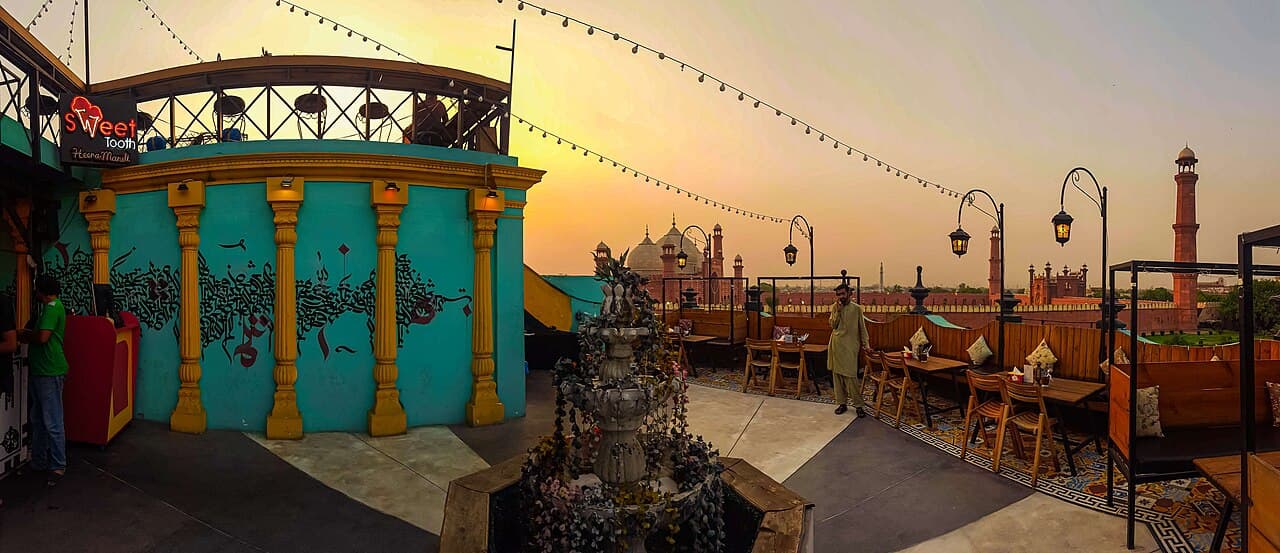
Head to Gawalmandi Food Street for halwa puri breakfasts, and Fort Road near the Badshahi Mosque for evening nihari and paye. The Anarkali Bazaar lane behind the old Civil Secretariat has some of Lahore's oldest and most trusted street stalls.
Karachi — Coastal Flavours
Burns Road is legendary — the street that arguably invented Pakistani fast food. Try the bun kebab, bihari kebab rolls, and Nihari at places that have been operating for 40+ years. Boat Basin in Clifton offers a more sanitised but still authentic evening food market.
Peshawar — The Frontier Kitchen
Peshawari chapli kebab — wide, thin, made with pomegranate seeds and coriander — is best eaten at Namak Mandi, the city's historic spice and meat bazaar. Pair it with Peshawari naan, which is larger, fluffier, and slightly sweet compared to its Lahori cousin.