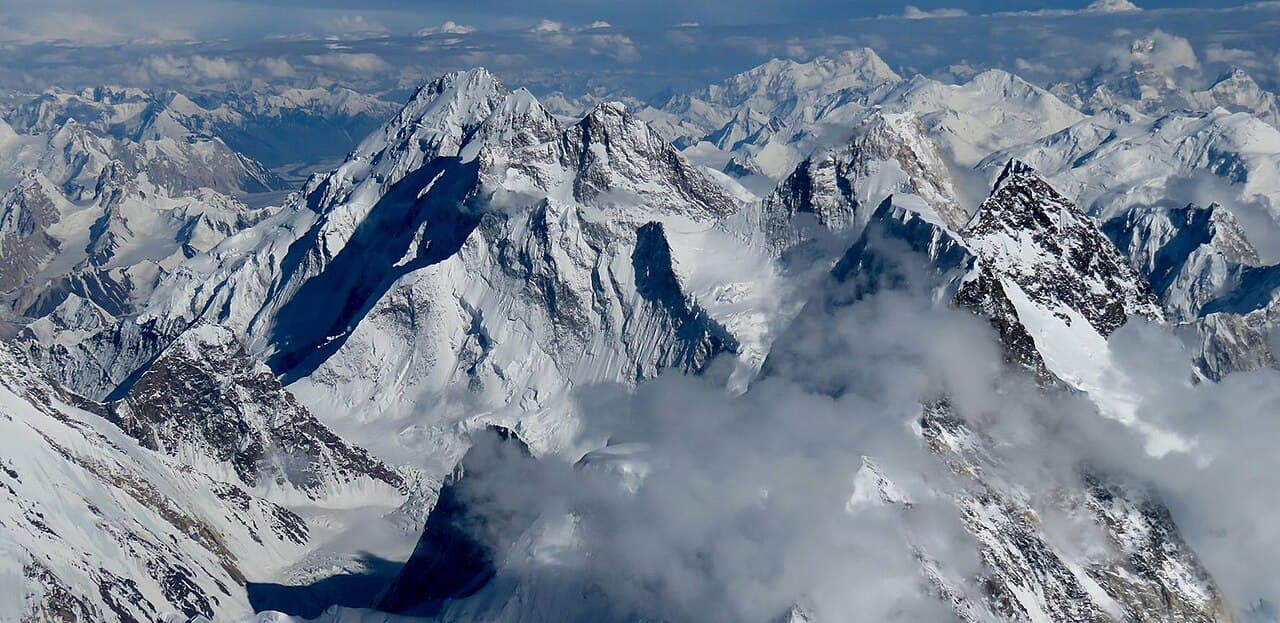
Pakistan is one of the most rewarding destinations on the planet — five of the world's 8,000-metre peaks, ancient Indus Valley ruins, Mughal-era forts, and hospitality that leaves every traveller speechless. But it also rewards those who prepare. A little groundwork before you board the flight transforms a potentially frustrating experience into a seamless adventure.
Visas and Entry Requirements
Pakistan offers online visa services for eligible travellers, but eligibility, fees, processing time, and regional-permit rules can change by passport and itinerary. Start with the Government of Pakistan's official visa portal and the latest advisory from your own government; do not book non-refundable travel until the required approval is issued. Ask the relevant authority or a registered operator whether any restricted part of your route needs separate permission.
Carry at least two printed copies of your visa approval letter plus your hotel booking confirmations. Immigration officers at Lahore, Islamabad, and Karachi airports occasionally ask to see onward travel proof.
Health and Vaccinations
Consult a qualified travel-medicine clinician well before departure. Vaccine and malaria-prevention advice depends on your health history, exact route, season, and current public-health guidance; use the latest WHO or your national public-health recommendations rather than a generic packing list.
- Altitude sickness — Ascend gradually, learn the warning signs, and discuss prevention and any medication with a clinician before the trip. Worsening symptoms at altitude require prompt descent and medical advice.
- Stomach illness — Oral rehydration supplies can be useful. Ask a clinician what belongs in your personal kit, and seek medical care for severe dehydration, blood in stool, persistent fever, or worsening symptoms rather than self-prescribing antibiotics.
- Sun and heat — Central and southern Pakistan bake above 45°C in May and June. High-SPF sunscreen, electrolyte tablets, and a wide-brimmed hat are non-negotiable.
Money and Connectivity
The Pakistani rupee (PKR) is the only currency accepted at most local establishments. ATMs are plentiful in Lahore, Karachi, and Islamabad but scarce in the mountains. Withdraw sufficient cash in Gilgit or Skardu before heading further north. The Jazz SIM (formerly Mobilink) offers the best coverage on the Karakoram Highway; pick one up at any airport with your passport for roughly PKR 500 including a data bundle.
Packing Essentials
Pakistan spans every climate zone — from sea-level mangroves in Sindh to glaciers in the Karakoram. Pack in layers. Lightweight merino wool base layers work from the beaches of Balochistan to the passes above Khunjerab. For cultural sites and city visits, carry at least two sets of loose, modest clothing (shalwar kameez is widely available and genuinely practical). Women travelling solo or in small groups will find a dupatta (long scarf) invaluable — it doubles as a sun shield, prayer-room cover, and a conversation opener.
- Power bank (load-shedding affects even major cities)
- Universal plug adapter (Pakistan uses Type C and Type G sockets)
- Water purification tablets or a Lifestraw bottle
- Headlamp with spare batteries for mountain guesthouses
- Physical map of GB and the KKH — cell signal vanishes beyond Passu
Cultural Prep
A few phrases of Urdu will open doors no guidebook can. Assalamu alaikum (peace be upon you), shukriya (thank you), and kitna hai? (how much is it?) will earn warm smiles in every bazaar. Respect prayer times — five daily calls to prayer briefly pause commerce in smaller towns. During Ramadan, eat and drink discreetly in public during daylight hours; most restaurants remain open but behind curtained windows. The Pakistani sense of hospitality is extraordinary — if a stranger invites you for chai, accept. It is never an imposition; it is an honour they are offering you.