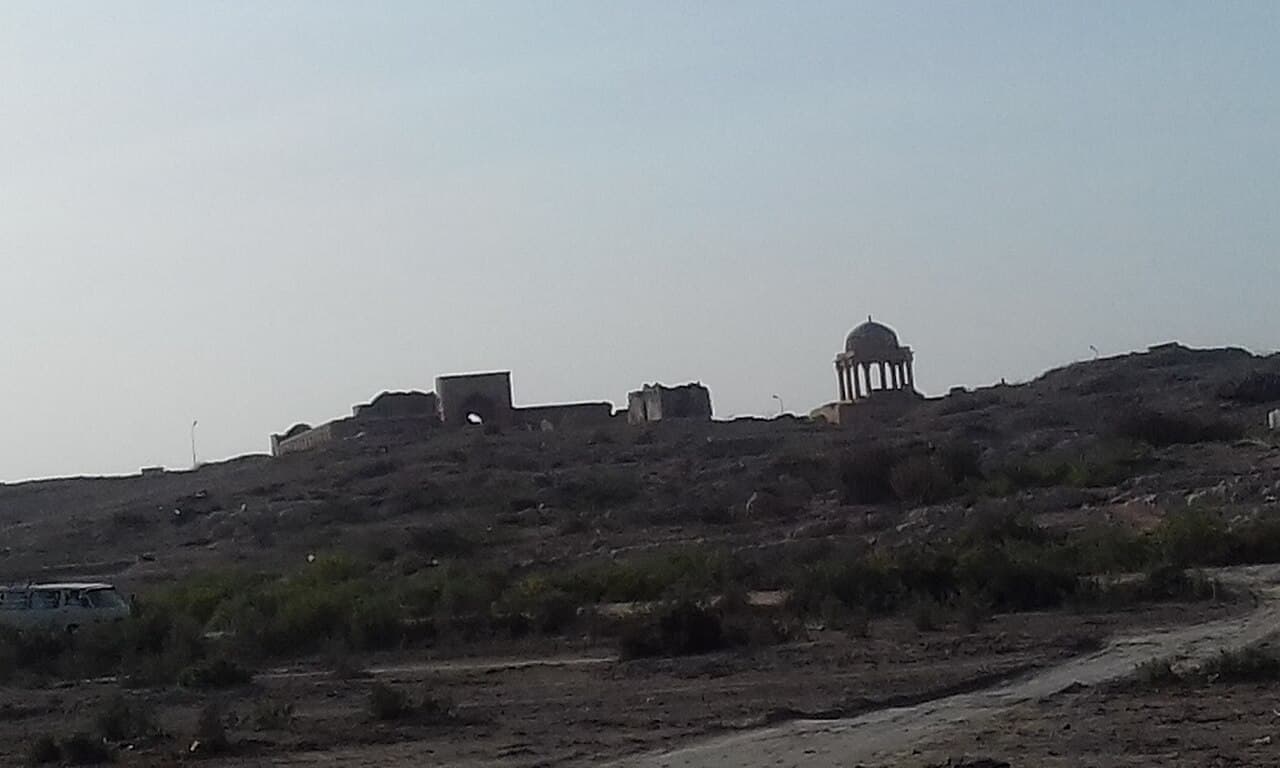
A karez can be easy to miss because much of its intelligence lies underground. A gently sloping tunnel carries groundwater toward fields and settlements without a pump, while vertical shafts provide construction and maintenance access. The visible openings are traces of a complete social and hydraulic system.
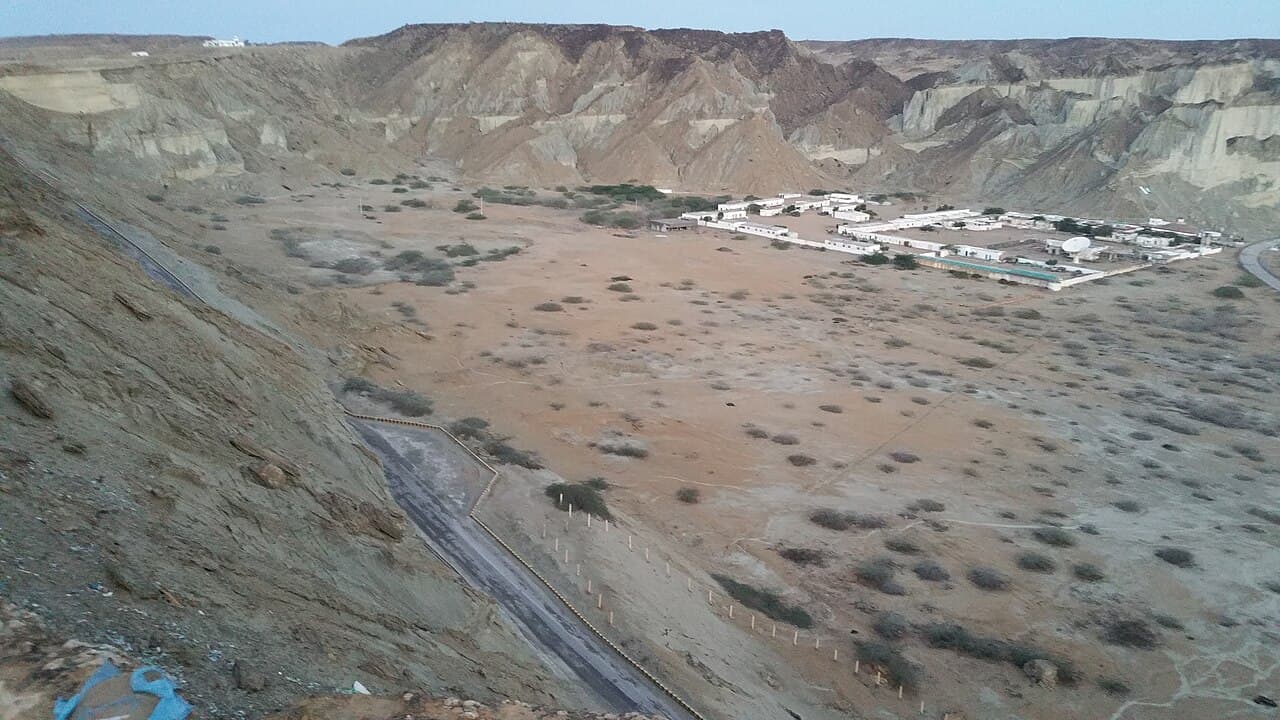
In Balochistan, that system also organises rights, labour and responsibility. The cover image shows Hingol National Park as wider Balochistan landscape context; it does not depict a karez, and readers should not infer that the featured water systems are inside the park.
At a glance
Start here
- A karez is a gravity-fed groundwater system, not simply a line of wells.
- Water shares and maintenance obligations make it a community institution as well as infrastructure.
- Pakistan's UNESCO entry is Tentative List material, not an inscribed World Heritage property.
- Current provincial policy treats rehabilitation, monitoring and community governance as linked tasks.
01
This is a cultural explainer, not a Balochistan itinerary
The karez system can be studied as water history without recommending travel through Balochistan. On 14 September 2026, the UK FCDO advised against all travel to the entire province; Australian and US advisories also said not to travel there because of severe security and kidnapping risks. The US page placed Balochistan at Level 4, while Pakistan overall remained Level 3 for US citizens.
Readers should follow the advice issued for their nationality and verify Pakistani permission rules. Do not treat an invitation, guide, police escort or project contact as a workaround to a government no-travel warning. The sections below therefore explain shafts, gradients, communal maintenance and heritage value from official documents. They do not form a route, endorse a field visit or imply that any named karez is currently open to foreign visitors.
Sources: UK Foreign, Commonwealth and Development Office; Australian Department of Foreign Affairs and Trade; United States Department of State04
Provincial policy brings the karez into the present
Balochistan Water Policy 2024 calls for community participation in water management and specifically recognises karez shareholders within local governance. It also addresses groundwater monitoring, recharge and critical zones. These are present-tense policy concerns, not museum interpretation: underground water systems compete within a changing extraction and management environment.
The provincial Climate Change Policy 2024 likewise calls for revitalisation and rehabilitation of karez systems alongside sustainable governance and lower-water agricultural choices. Read together, the documents reject a romantic solution in which cleaning a tunnel fixes everything. Hydrology, land use, monitoring, institutions and long-term maintenance must align.
- Rehabilitation must consider the water source, not only visible damage.
- Shareholders and water users need a place in decisions.
- Groundwater monitoring matters because nearby extraction can affect shared systems.
- Agricultural demand belongs in the same conversation as heritage protection.
05
Tentative List status needs careful language
Pakistan submitted the Karez System Cultural Landscape to UNESCO's Tentative List in 2016. A Tentative List identifies property a state may consider nominating; it is not World Heritage inscription. Articles, tour descriptions and captions should not call Balochistan's karez systems UNESCO World Heritage sites.
The UNESCO entry is still valuable because it records the relationship among technology, water rights, settlement and landscape. Some numerical inventory statements on that page date from the 2012 material cited in the nomination. They should not be repeated as current counts in 2026 without a newer official survey. The durable facts are the operating principles and cultural relationships, not a stale total.
Sources: UNESCO World Heritage Centre06
Maintenance is skilled and collective
An underground channel can accumulate sediment, collapse or lose flow, and its shafts create hazards for anyone unfamiliar with the site. Maintenance is consequently not a tourist activity or a suitable do-it-yourself conservation project. It requires people who understand the alignment, ground conditions, ventilation and local rules.
Balochistan's Irrigation Department defines its role around management and conservation of surface and groundwater resources and the rehabilitation of irrigation infrastructure. That institutional frame reinforces an essential point: karez stewardship sits within broader water administration. Visitors and writers should seek authorised, community-led interpretation and should never enter shafts or tunnels without formal arrangements.
- Observe openings from a safe distance because edges may be unstable.
- Do not block, divert or contaminate flowing water.
- Do not disclose precise locations of vulnerable features without community consent.
07
Report a living system without turning it into folklore
Good reporting asks who manages the system now, how shares are defined, which maintenance practices continue and what pressures users identify. It distinguishes an operating karez from an abandoned one and a restored channel from a proposed project. Names and technical terms should follow the community's usage rather than imposing a generic label.
Avoid invented interviews and claims that one technology can solve provincial water scarcity. Official policies place karez rehabilitation among many measures, including monitoring, recharge, regulation and changes in water demand. The system matters precisely because it shows how technology and collective rules work together, not because it offers a simple universal cure.
Sources: Government of Balochistan; Government of Balochistan; Government of Balochistan08
What gravity teaches about stewardship
A karez moves water without continuously adding mechanical energy, yet that apparent simplicity rests on demanding knowledge and cooperation. The tunnel must follow a workable gradient; access shafts must be maintained; shares must be honoured; the aquifer must not be treated as limitless. Low-energy delivery does not mean maintenance-free water.
That is why karez heritage belongs in a Pakistan destination publication even when readers never enter a tunnel. It provides a way to understand Balochistan through adaptation, commons governance and landscape knowledge rather than scenery alone. The most respectful encounter may be a community-approved explanation from the surface, followed by support for the people doing the continuing work.
Sources: UNESCO World Heritage Centre; Government of BalochistanUseful answers
Reader questions
Is a karez just a chain of wells?
No. The vertical shafts provide access to one gently sloping underground gallery. Water moves by gravity from the aquifer toward a surface outlet and distribution system.
Sources: UNESCO World Heritage CentreAre Balochistan's karez systems UNESCO World Heritage?
No. The Karez System Cultural Landscape is on Pakistan's UNESCO Tentative List. That status records possible future nomination, not inscription on the World Heritage List.
Sources: UNESCO World Heritage CentreWhy do water shares matter to conservation?
The physical channel and its social management are interdependent. Provincial policy recognises karez shareholders in community water governance, while maintenance and demand decisions affect whether flow remains useful.
Sources: Government of BalochistanRead the evidence
Sources and further reading
These sources support the relevant sections above. Plans and comparisons are editorial suggestions. Check operators for current arrangements.
- Karez System Cultural Landscape ↗UNESCO World Heritage Centre · Accessed 14 September 2026
Tentative List status, gravity-fed system components, shaft and gallery functions, water shares and cultural-landscape value.
- Balochistan Water Policy 2024 ↗Government of Balochistan · Accessed 14 September 2026
Community water governance, karez shareholders, monitoring, recharge and groundwater critical-zone policy.
- Balochistan Climate Change Policy 2024 ↗Government of Balochistan · Accessed 14 September 2026
Policy commitment to revitalise and rehabilitate karez systems, strengthen governance and address agricultural water demand.
- Irrigation Department ↗Government of Balochistan · Accessed 14 September 2026
Official departmental remit for surface and groundwater management, conservation and irrigation-infrastructure rehabilitation.
- Regional risks - Pakistan travel advice ↗UK Foreign, Commonwealth and Development Office · Accessed 14 September 2026
Nationality-specific British advice for Balochistan, Khyber Pakhtunkhwa, Peshawar, Mardan, Nowshera and the India border.
- Pakistan Travel Advice and Safety ↗Australian Department of Foreign Affairs and Trade · Accessed 14 September 2026
Nationality-specific Australian advice to reconsider Pakistan overall and not travel to Balochistan, most of Khyber Pakhtunkhwa or specified border areas.
- Pakistan Travel Advisory ↗United States Department of State · Accessed 14 September 2026
Level 3 advice for Pakistan and Level 4 advice for Balochistan and Khyber Pakhtunkhwa, plus permission requirements.