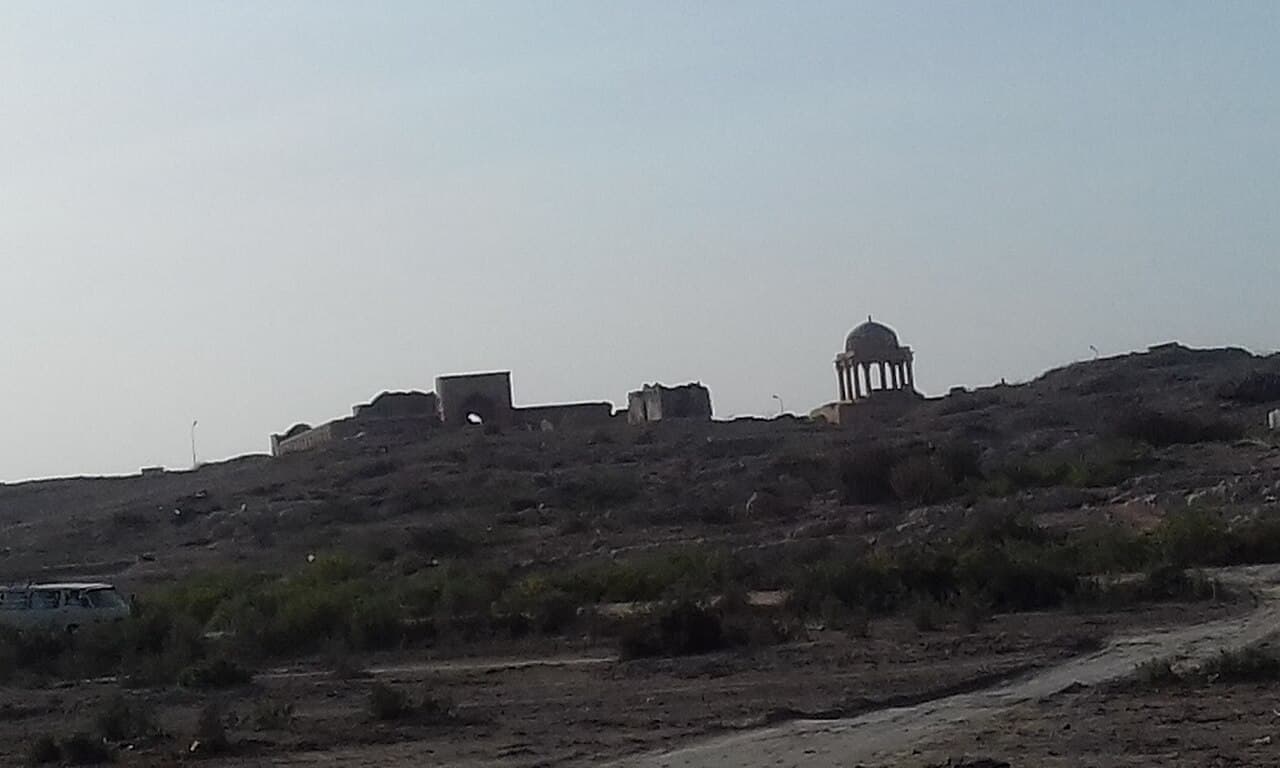
Pakistan needs a regional plan before it needs a landmark list. Choose one route cluster, check the season and travel conditions, and protect enough time for the return. Use official tourism, weather and heritage sources for context, then verify site operations close to travel.
AI-assisted destination research by Top10 Pakistan Editorial. Suggested plans are editorial choices; sources and their scope appear below.
01
Choose one region for each travel block
Start with Punjab and the Salt Range, Sindh, the Karakoram and northern valleys, Cholistan, Balochistan or Gandhara. Moving between them is a transport decision, not a small itinerary adjustment.
The national tourism resources help with broad orientation. Build the actual day from exact pins, current road information and an accommodation or return point.
- Set a regional base
- Choose one anchor per road day
- Keep a turn-back rule
- The Ultimate Pakistan Travel Checklist: Everything You Need Before You Go
From visa paperwork to altitude medication, here is the definitive pre-trip checklist for first-time and returning visitors to Pakistan.
- Best Time to Visit Pakistan: A Month-by-Month Seasonal Guide
Pakistan has four distinct seasons and a geography spanning sea level to 8,000 metres. Timing your visit correctly makes all the difference.
02
Split the Salt Range and Rohtas decisions
Use the Salt Range route to compare Khewra, Katas Raj and Rohtas without assuming a one-day circuit. UNESCO records also prevent a common status error: the Salt Range entry is tentative, while Rohtas is inscribed.
Verify Khewra through PMDC and check all other current operations with the responsible authority. Preserve one primary site when the route becomes too long.
Sources: UNESCO World Heritage Centre; UNESCO World Heritage Centre; Pakistan Mineral Development Corporation- Salt Range Route: Khewra, Katas Raj and Rohtas
Plan Khewra, Katas Raj and Rohtas as realistic route clusters, with correct UNESCO status, official visitor checks and weather contingencies.
- The Grand Trunk Road as Pakistan's Historic Spine
Trace Pakistan's Grand Trunk Road through forts, caravan architecture and layered towns while separating the historic route from today's N-5.
03
Give southern Sindh its own heritage route
Makli and Nagarparkar belong to a different geographic and cultural block from the Salt Range. Use the southern Sindh guide to choose an anchor, road plan and overnight logic.
Do not attach this route to a short national checklist. Confirm weather, transport and site operations for the specific journey.
Sources: Pakistan Tourism Development Corporation; Pakistan Meteorological Department- Southern Sindh Heritage Route: Makli to Nagarparkar
Build a history-led journey through Makli, Banbhore and Nagarparkar without reducing southern Sindh to a day trip from Karachi.
- Pakistan's Living Heritage Beyond Monuments
Meet Pakistan's UNESCO-listed living heritage through music, seasonal knowledge, falconry and Nawrouz without freezing culture in time.
04
Match northern routes to season and road reality
The Karakoram Highway, Hunza and trekking guides serve different levels of movement and commitment. Choose the road trip, valley stay or trek first, then consult current official weather and local route information.
An evergreen guide cannot guarantee a mountain road, permit or trail condition. Keep contingency days and avoid fixed onward commitments after a difficult road section.
Sources: Pakistan Meteorological Department- The Karakoram Highway Road Trip: A Complete Driving Guide
Islamabad to the Khunjerab Pass — 1,300 km of mountain road through some of the most dramatic scenery on Earth. Here is every detail you need to drive it safely and memorably.
- Hunza Valley Travel Guide 2026: How to Get There, Where to Stay & What to See
Everything you need to plan a Hunza Valley trip — flights vs road from Islamabad, best guesthouses at every budget, must-see sights, ATM warnings, and the cherry blossom timing window.
- Trekking in Pakistan: 7 Routes for Every Fitness Level
From a gentle morning walk in Islamabad's Margalla Hills to the two-week slog to K2 Base Camp, Pakistan has a trek for every body. Here are seven routes with honest difficulty ratings, costs, and logistics.
05
Distinguish monuments, landscapes and living heritage
UNESCO designation, Tentative List status and living cultural practice are different editorial categories. State the exact status and use the specialist guides to understand the relationship between place and community.
The Gandhara and Cholistan routes benefit from this distinction. Check current entry separately from historical significance.
Sources: UNESCO World Heritage Centre; UNESCO World Heritage Centre- Gandhara Beyond Taxila: A Heritage Route
Explore Gandharan heritage through Takht-i-Bahi, Sahr-i-Bahlol and Khyber Pakhtunkhwa museums without repeating a Taxila itinerary.
- Cholistan Forts: Plan a Desert Heritage Circuit
Plan from Bahawalpur to Derawar while understanding Cholistan's wider fort network, caravan landscape and practical limits.
- Pakistan's Living Heritage Beyond Monuments
Meet Pakistan's UNESCO-listed living heritage through music, seasonal knowledge, falconry and Nawrouz without freezing culture in time.
06
Add landscape systems after the route is sound
Wetlands and karez systems require ecological and community context, not a quick detour. Use the dedicated atlas and karez guide to decide whether the trip can support a focused visit.
Verify access and local expectations before departure. Avoid representing sensitive working landscapes as universally open attractions.
Sources: Pakistan Tourism Development Corporation- Pakistan's Wetlands Form a North-South Nature Atlas
See Pakistan through Ramsar wetlands from alpine lakes and the Salt Range to the Indus floodplain, delta and Arabian Sea islands.
- Karez: Balochistan's Underground Water Commons
Understand how Balochistan's gravity-fed karez systems join engineering, community water shares and cultural landscape stewardship.
Before you decide
Planning questions
How should I divide a first Pakistan trip?
Choose one or two regional clusters, allow full road days where needed, and keep seasonal and route contingencies before adding distant landmarks.
Sources: Pakistan Tourism Development Corporation; Pakistan Meteorological DepartmentHow do I describe UNESCO status accurately?
Use the exact official record. The Salt Range and Khewra are on a Tentative List, while Rohtas Fort is inscribed on the World Heritage List.
Sources: UNESCO World Heritage Centre; UNESCO World Heritage CentreWhere should I check Khewra operations?
Use PMDC's official tourist page and verify mutable visitor details close to the journey.
Sources: Pakistan Mineral Development CorporationCheck the details
Sources for your plan
Use the linked operators and institutions to check current arrangements. Each reference states the limited points it supports.
- Tourism Publications ↗Pakistan Tourism Development Corporation · Research date 2026-09-14
Official national tourism resource channel.
- Pakistan Meteorological Department ↗Pakistan Meteorological Department · Research date 2026-09-14
Official current forecast information.
- The Salt Range and Khewra Salt Mine ↗UNESCO World Heritage Centre · Research date 2026-09-14
Tentative List status of the Salt Range and Khewra.
- Rohtas Fort ↗UNESCO World Heritage Centre · Research date 2026-09-14
Inscribed World Heritage status of Rohtas Fort.
- Tourist Information ↗Pakistan Mineral Development Corporation · Research date 2026-09-14
Official Khewra visitor-information channel.