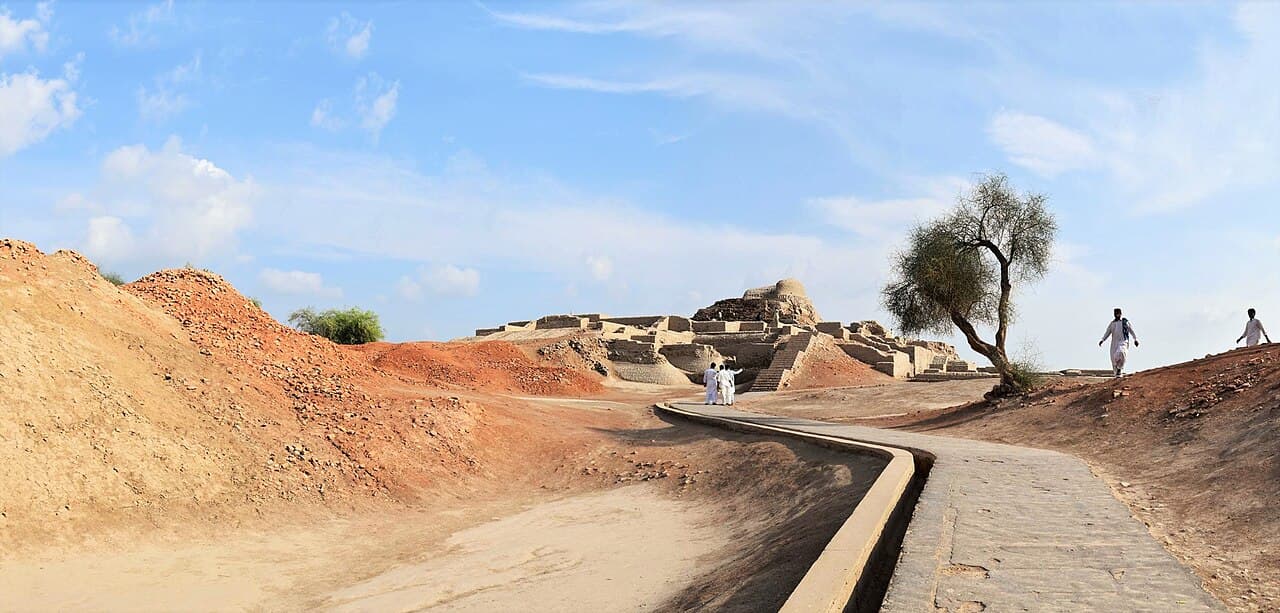
Pakistan consistently ranks as one of the most misunderstood destinations on the planet. Western media cycles on geopolitical stories that have little bearing on what a tourist experiences in Lahore's Mughal old city or trekking in Hunza. At the same time, pretending Pakistan has zero safety considerations would be irresponsible. This guide cuts through both the fear-mongering and the overcorrection to give you the honest, region-specific picture that will help you actually plan your trip.
The Short Answer
Risk varies sharply by region, route, season, and current security conditions. Many travellers visit Islamabad, Lahore, Hunza, Skardu, and established northern routes without incident, but that is not a safety guarantee. Check your government's current advisory, local-authority notices, weather and road conditions, and your insurer's exclusions immediately before each leg.
Understanding the Travel Advisories
The UK Foreign, Commonwealth & Development Office (FCDO) and US State Department both issue "Reconsider Travel" or partial advisories for Pakistan. It is worth understanding what these actually mean in practice:
- National advisories often include region-specific warnings. Read the full page and map rather than applying one headline equally to every itinerary.
- Advisory levels and restricted areas can change quickly. Use the live US State Department, UK FCDO, or your own government's page instead of a level quoted in a dated article.
- Travel insurance: some insurers cite government advisories to exclude coverage. World Nomads and Battleface both offer policies that explicitly cover Pakistan including high-advisory zones — check the policy wording before purchasing.
Region-by-Region Safety Assessment
Islamabad — Lower-Risk Core, Normal Precautions Still Apply
Islamabad's diplomatic and central sectors are commonly used by visitors, but no urban area is risk-free. Use normal precautions against road danger and petty theft, follow current local guidance, and avoid assuming that an uncrowded hiking trail is automatically secure. For the Margalla Hills, check weather, daylight, access notices, and park guidance; tell someone your route and turn-around time.
Lahore — Use Standard Big-City Precautions
Lahore is a large, dense city whose main visitor areas are busy and frequently visited, not guaranteed safe. Watch your phone in crowded bazaars, keep camera gear discreet, use licensed transport or a currently operating ride-hailing app with trip sharing, and follow current local guidance. In the Walled City, favour busy routes and daylight, especially when you do not know the lanes.
Karachi — Plan Transport and Neighbourhoods Carefully
Karachi's conditions vary by neighbourhood and time. Clifton, DHA, Saddar, Frere Hall, and established restaurant districts are common visitor destinations, but activity and popularity do not remove crime or road risk. Check current local advice, plan transport before leaving, and keep phones out of sight in exposed traffic.
The genuine safety advisories for Karachi:
- Avoid Lyari and Orangi Town at night — These areas have historically been affected by gang activity and while significantly calmer than a decade ago, are not appropriate for tourist visits, especially after dark.
- Use accountable transport — Choose a licensed taxi, hotel transfer, or currently operating app that shows the driver and plate. Match them before boarding and share the trip details.
- Beach security — Conditions and patrols vary. Visit in daylight, keep away from rough water, check local access guidance, and plan the return before dark.
- Phone snatching — More common in Karachi than other cities. Keep phones in your front pocket and avoid taking them out in slow traffic.
Gilgit-Baltistan and Hunza — Road, Weather, and Altitude Need Planning
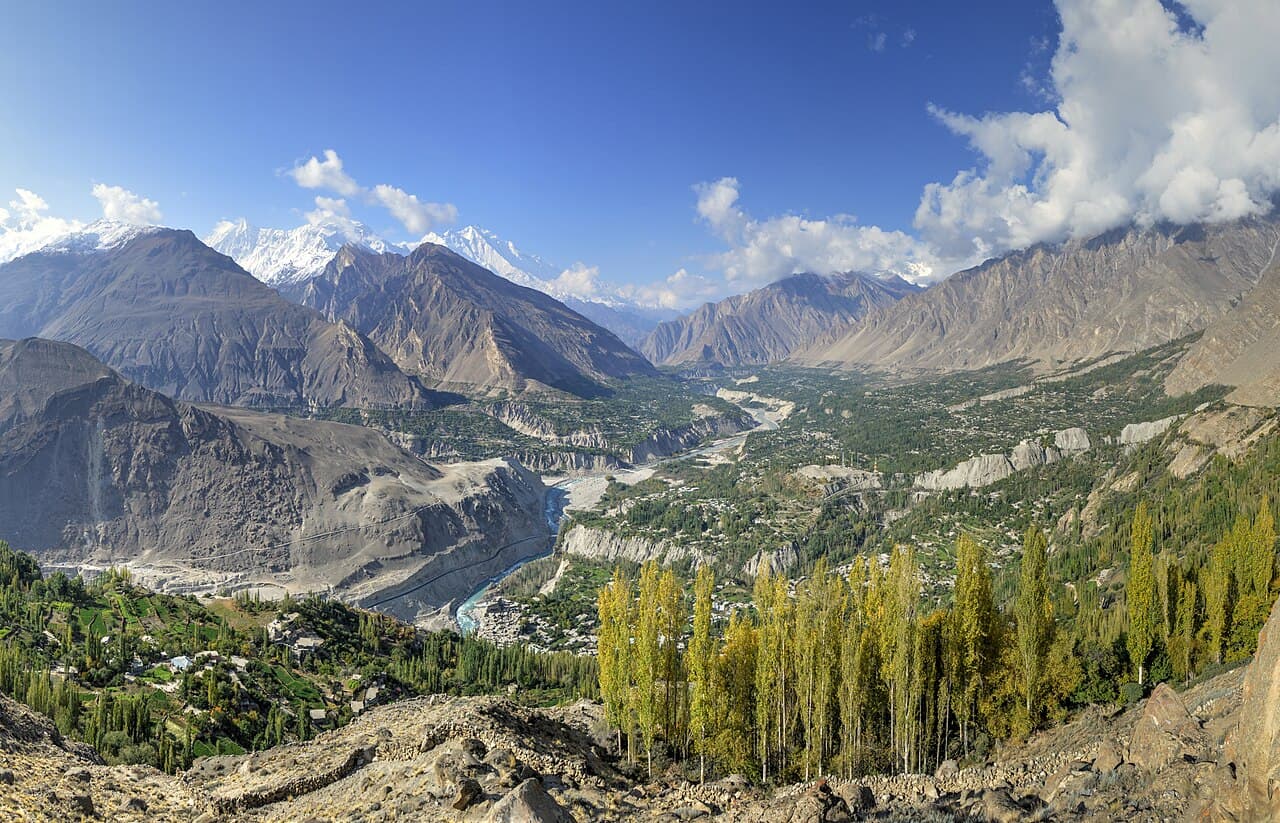
Visitors often describe warm hospitality in Gilgit-Baltistan and Hunza, but low reported crime is not a guarantee. The dominant practical hazards are road conditions, landslides, weather, remoteness, and altitude; check current guidance and leave a route plan with someone.
The real risks in GB are environmental and logistical:
- Road accidents on the KKH — The Karakoram Highway is one of the world's most spectacular roads and also one of its most dangerous. Landslides, rockfalls, narrow mountain roads with no barriers, and fast-driving local vehicles are the genuine hazard. Travel by day only; never attempt KKH night driving. Sit on the mountain side of the vehicle if possible.
- Altitude sickness — Skardu and Hunza/Karimabad are high enough to cause symptoms in some visitors, and Khunjerab Pass is much higher. Ascend gradually, learn warning signs, and discuss prevention or medication with a clinician before travel. Worsening symptoms require descent and medical advice.
- Weather cancellations — PIA flights between Islamabad and Gilgit are cancelled 3–4 days per week in cloudy weather. Build 2 extra days of buffer around flight-dependent sections of your itinerary.
Khyber Pakhtunkhwa (KP) — Improving but Nuanced
KP is a large province ranging from the tourist-friendly Swat Valley (called the "Switzerland of Pakistan") to tribal districts near the Afghan border. The distinction matters enormously:
- Swat Valley — Kalam, Malam Jabba, and Mingora are established destinations, but popularity is not a safety guarantee. Check the latest official advisory, road status, weather, and local guidance before travel.
- Chitral and Kalash Valleys — Visitors should travel respectfully and verify current security, permits, seasonal access, and road conditions before departure rather than relying on a dated claim that the route is safe or open.
- Tribal Districts (former FATA) — Areas like South Waziristan, Khyber, and Kurram are not appropriate for tourist visits without a specialist local guide, official permission, and security clearance. These are areas of ongoing security operations. Do not attempt independent travel here.
Balochistan — NOC Required; Never Solo
Balochistan is Pakistan's largest province by area and contains genuinely spectacular landscapes — the Makran Coastal Highway, Princess of Hope rock formation near Hingol National Park, and the turquoise Kund Malir Beach. However, Balochistan requires serious security planning that is beyond most independent tourist itineraries.
- A formal NOC from the Home Department is required for foreign nationals.
- Travel should be arranged through a registered tour operator with security contacts and a local guide who knows the road situation in real time.
- The Karachi–Gwadar coastal route requires current official advice and specialist planning. An operator or escort does not guarantee safety; verify permissions, road conditions, and security arrangements with the relevant authorities.
- Interior Balochistan (Quetta, Zhob, Ziarat) has seen insurgency-related incidents in recent years and is firmly in the "professional guided tours only" category for foreign nationals.
Emergency Numbers Every Tourist Should Save
Save these before you land — the Pakistan emergency system works and response times in urban areas are reasonable:
- 115 Rescue — General emergency (police, fire, medical). This is the primary emergency number in Punjab.
- 1122 Ambulance — Emergency medical services, Punjab and KP. Response time in Lahore and Islamabad averages 7–12 minutes.
- 1717 Tourist Police Helpline — Launched to assist foreign visitors specifically. English-speaking operators available. Covers all major tourist destinations.
- 15 Police Emergency — National police emergency number.
- US Embassy Islamabad: +92-51-201-4000 — American Citizen Services available 24/7 for emergencies.
Travel Insurance for Pakistan
Two providers explicitly cover Pakistan including regions with elevated travel advisories:
- World Nomads — Explorer plan covers Pakistan including adventure activities (trekking, high-altitude hiking). Medical evacuation covered up to $300,000. Check the specific country exclusions on your quote — some plan tiers exclude "high-risk" government-advisory regions. The Explorer tier is the one to get.
- Battleface — Specifically designed for travel to complex destinations. Covers Pakistan including Gilgit-Baltistan and KP. Medical evacuation and political evacuation both included. Premiums are 20–30% higher than standard travel insurance but the coverage is genuinely comprehensive for this destination.
Standard travel insurance providers (World Nomads Standard, Allianz, Cover-More) typically exclude "countries under government travel advisory" which can void Pakistan claims. Read the fine print before purchasing.
The Bottom Line
Pakistan offers extraordinary travel experiences, but a useful guide should not promise safety. Do region-specific research, read live official advisories, check road and weather conditions, confirm insurance coverage, and adjust or cancel a route when current guidance calls for it.